
Your website’s getting visits, your sales team are having conversations, but too few good-fit buyers are moving towards buying your software.
A sales pipeline not converting is the point where it’s tempting to rewrite the homepage or ask Marketing for sharper copy. Our advice would be different. First, work out whether the problem is your positioning or your messaging.
They are related, but they are not the same.
Positioning is the place you intend to own in the market: which buyer you serve, which problem you solve and what alternative you help them leave behind. Messaging is how you express that position so a particular buyer recognises their own situation.
Get the positioning wrong and better messaging makes the wrong promise louder. Get the positioning right but talk about features instead of the buyer’s problem, and the buyer may not recognise why they should care.
1. Positioning is a choice about where to compete
Let’s be clear. Positioning isn’t a tagline, a list of product capabilities or a sentence the leadership team agrees sounds impressive. It’s a set of choices about the market and the buyer.
A useful position gives you answers to three questions:
- Which buyer are you for? Be precise about the Economic Buyer and the kind of organisation most likely to get value.
- Which problem makes action matter now? Name the pressure, consequence or change that gives the buyer a reason to act.
- What would they do instead? That could be another vendor, an internal workaround, a spreadsheet or simply doing nothing.
These choices establish the ground your business intends to own. They also create boundaries. If your product is for every organisation with a related job title, and every problem that could plausibly fit a feature, the team hasn’t chosen a position. It’s simply described a possibility.
A sharper choice gives Sales, Marketing and Product a shared basis for decisions: which accounts to prioritise, which problems to lead with, which product work matters and which prospects are unlikely to buy. If you’re still working out where the best-fit companies sit, our guide to uncovering Perfect Customers for your software is a useful place to start.
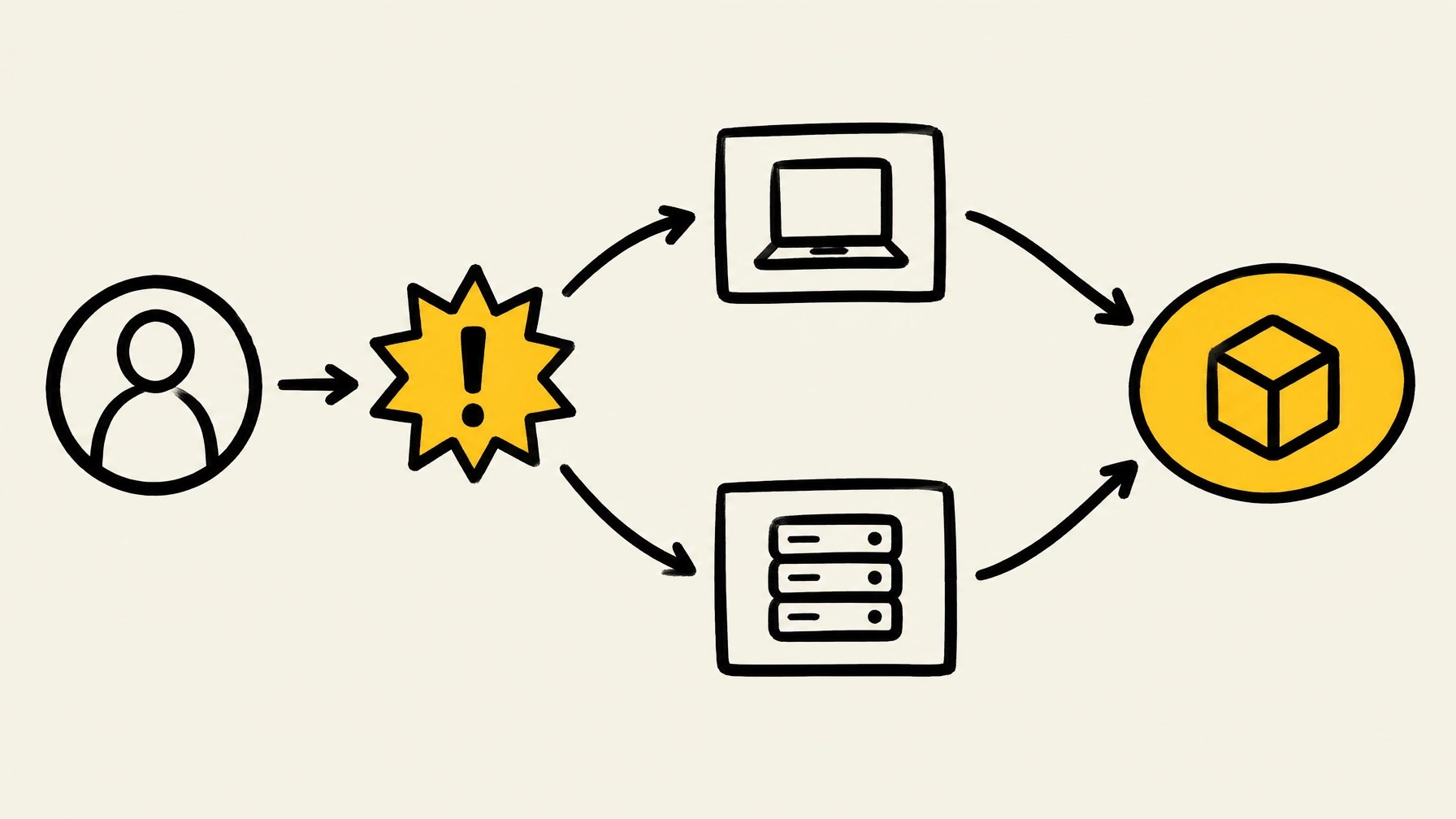
2. Messaging makes the position recognisable
Messaging is the language and evidence you use to make your position clear to a buyer. It includes your homepage, sales conversations, proposals, campaigns and the explanations customers hear from your team.
The position should be consistent across all those places, but the words don’t have to be identical. A Finance Director and an operational leader may care about different consequences of the same problem. A Champion may need evidence to build internal support, while an Economic Buyer may need to understand the commercial case. Good messaging adapts to the person and moment without changing the underlying promise.
This is where problem-led messaging matters. A list of features asks the buyer to do the work of figuring out why they matter. A problem-led message starts with a situation the buyer knows, explains what is at stake and shows how your product helps change it.
Suppose a software company helps multi-site operators spot operational issues sooner. “A configurable analytics platform with real-time dashboards” describes capabilities. “See which sites are falling behind before the missed targets become a wider problem” speaks to a situation and its consequence. Whether that’s the right message depends on the company’s actual customers and evidence, but the difference in approach is clear.
The first makes the buyer translate. The second gives them a reason to listen. That’s what problem led messaging does for a business: it starts with the situation the buyer is in, then earns the right to talk about the product.
3. Diagnose which one is failing
Positioning and messaging problems can look similar from the outside. Buyers may ignore your site, sales calls may stall, or qualified leads may struggle to see a reason to choose you. But the remedy depends on where the breakdown sits.
The positioning may be wrong if the team cannot agree on the buyer, the urgent problem or the real alternative. It may also be wrong if customers buy for a reason your company doesn’t lead with, or if the value you claim isn’t important enough to change a decision. Rewriting the copy will not fix a strategic choice that lacks evidence.
The messaging may be wrong if you know which buyers get the most value and why they buy, but your website leads with technical detail, broad promises or internal product language. The position exists; the buyer simply cannot see themselves in the way it is being expressed.
And sometimes both are wrong. A broad target market and a feature-led story often reinforce each other: the company tries to sound relevant to everyone, so the message says very little to any one buyer.

4. Run a five-second and “so what?” test this week
Choose five people who resemble your best-fit buyers, ideally people who don’t already know your company well. Show each person your homepage for fifteen seconds, then hide it. Ask them, in their own words:
- Who is this for?
- What problem does it solve?
- Why might someone choose it over the way they handle that problem now?
Don’t explain or rescue the answer. Write down what they say. If they describe the product differently from the way your team intends, that’s evidence. If they can explain what it does but cannot say why it matters, your message may be clear about the product and unclear about the buyer’s stakes. If they cannot tell who it’s for or what category it belongs in, revisit the positioning before commissioning another round of copy.
Then compare your headline with the words your best customers used when they explained why they bought. The gap can be revealing. Your team may talk about automation, integration or visibility, while customers talk about missed deadlines, an audit they could not answer or time spent reconciling information by hand.
Apply the “so what?” test to each prominent feature claim. If your homepage says “automated reporting”, ask what changes for the buyer because reporting is automated. If the answer is “they get reports faster”, ask what faster reporting lets them see, decide or prevent. Keep going until you reach a consequence that matters to the Economic Buyer or the person carrying the problem.
A useful message doesn’t need to be dramatic. It needs to connect the product’s capability to a real business pain, in language the buyer would recognise. If you cannot make that connection without reaching for a vague claim, you may have a product-value question to investigate, not just a copywriting task.
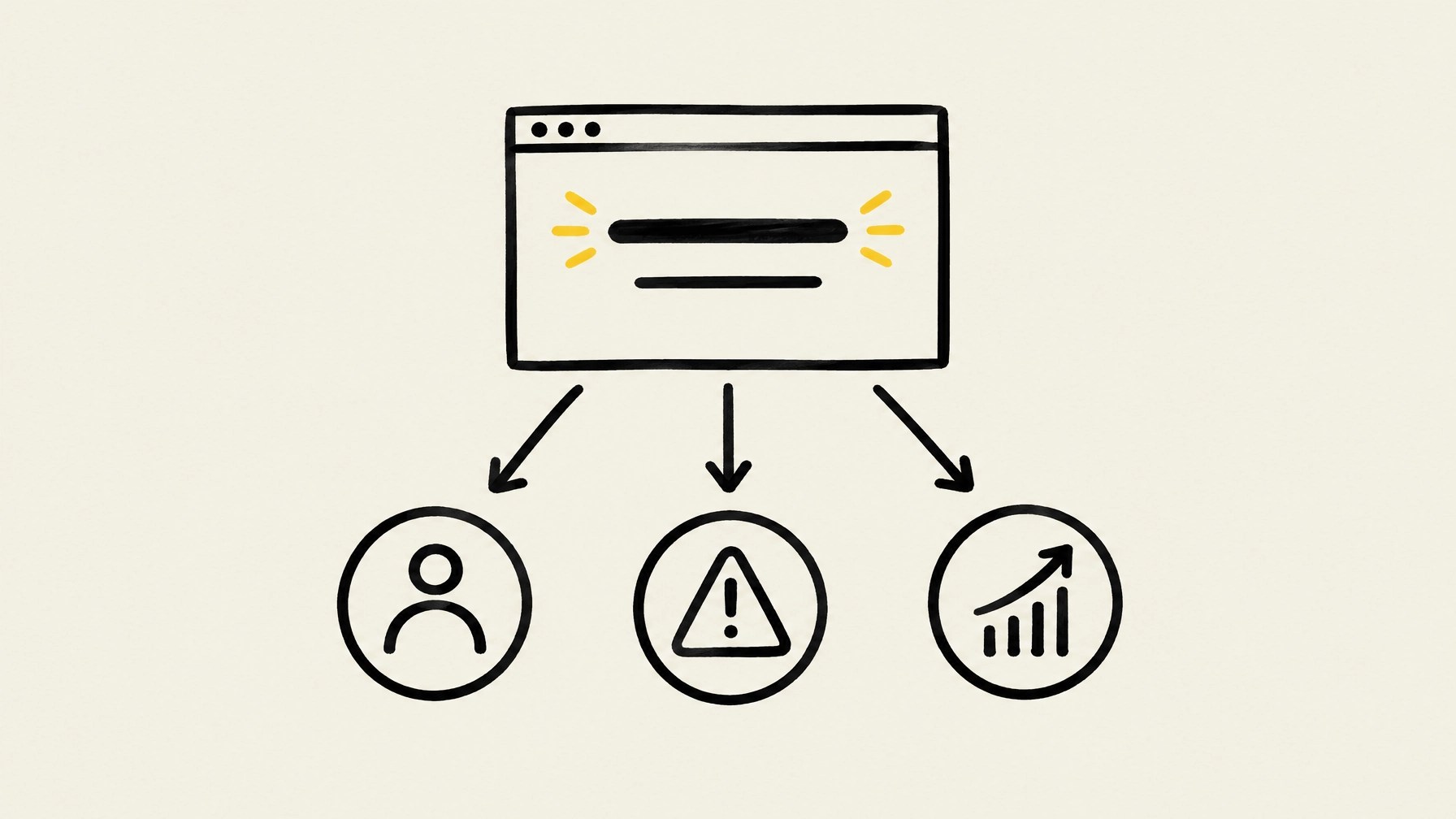
5. Use customer evidence before internal conviction
Founders and teams often know the product so well that they start from what it can do. Buyers start from what is happening in their business. That difference is where many messaging discussions go astray: people debate which phrase sounds strongest instead of asking what customers actually needed to believe before they bought. It’s also one of the quieter answers to why saas companies miss revenue targets while believing their story is clear.
Look at recent wins, losses and stalled deals. Ask what triggered the search, who cared most about the problem, which alternatives came up and what evidence moved the decision forward. Compare what buyers said with what your website and sales team currently lead with. Look for repeated patterns rather than building a strategy around one memorable quote.
The useful starting point is a clear relationship between your Economic Buyer, Perfect Customer and their most urgent Visceral Pains. Together, these give you a more precise reason to buy. Once you have that, you can shape the message for each buyer and channel without turning every conversation into a different company story.
A market map can help make those choices practical by showing which organisations and buyers fit your focus; see our guide to building a Market Map and Face Book. Clear positioning also matters before buyers reach your sales team: as we explain in our article on how B2B software buyers use AI to shortlist vendors, buyers need to be able to understand where you fit and why you are relevant.
6. Fix the cause, not the copy
If the business is missing targets, positioning and messaging are worth examining, but don’t assume a new headline will repair the whole go to market strategy saas teams are trying to execute. A low-converting pipeline can reflect the wrong buyers, a weak reason to act, a story that fails to communicate value, or more than one of these at once.
Start with the fifteen-second test and customer language this week. If the right buyers understand your story but don’t care, go back to the problem and the position. If they care but cannot explain why your solution is different, strengthen the message and its evidence. Then make sure Sales, Marketing and Product are working from the same view of the buyer and what matters to them.
To work through those choices for your business, use the free Selling Software Algorithm Builder.
Missing your sales targets?
Tell us what’s not working and we’ll help you find out why.